How Often Should You Use At-Home Wellness Tools?
Share
If you’ve ever looked into infrared saunas, cold plunges, red light therapy, or massage chairs, you’ve probably had the same thought:
How often am I actually supposed to use this?
Once a week? Every day? Only when you’re sore or stressed?
It’s a really good question—especially when you’re considering investing in wellness equipment for your home.
And while there isn’t one perfect schedule that works for everyone, there is something I think gets overlooked when we talk about wellness:
Consistency usually matters more than the occasional “perfect” session.
Think Routine, Not Event
A lot of us are used to thinking about recovery as something special.
You book a massage when your shoulders are killing you. You visit a sauna when you have a free afternoon. Maybe you try a cold plunge at a spa or wellness center and love how you feel afterward—but then three weeks go by before you do it again.
There’s absolutely nothing wrong with that.
But having these tools at home changes the way you can use them.
Instead of recovery being an appointment, it can become part of your normal day.
Ten minutes in front of a red light panel while you drink your morning coffee.
A short cold plunge before work.
Time in the sauna after a long day.
Twenty minutes in a massage chair while you unwind at night.
Suddenly, taking care of yourself doesn’t require an appointment, a drive across town, or an open spot on your calendar.
So, How Often Should You Use Them?
The answer depends on the tool—and on you.
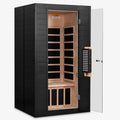
Infrared Sauna
Many people incorporate infrared sauna sessions several times per week, while experienced sauna users may choose to use theirs more frequently.
If you're new to sauna use, starting slowly is a good idea. You might begin with shorter sessions a few times a week and gradually increase the duration or frequency as you learn how your body responds.
Hydration is important, too. Sauna sessions involve heat and sweating, so pay attention to how you feel before, during, and after each session.
The goal isn't to see how long you can stay inside.
It's to create a routine that feels good enough that you'll actually want to keep doing it.
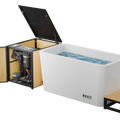
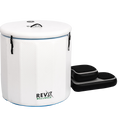
Cold Plunge
Cold plunging is another practice where more isn't automatically better.
You don't need to spend 15 minutes sitting in freezing water to make cold exposure part of your routine. In fact, especially when you're starting out, shorter and less-intense sessions can make the practice much more approachable.
Temperature, duration, your experience level, and your individual health all matter.
For some people, a short plunge several times a week becomes something they look forward to. Others prefer less frequent sessions.
Start conservatively and let your body—not social media—tell you when it's time to get out.
Red Light Therapy
Red light therapy is probably one of the easiest wellness practices to work into everyday life because it doesn't require getting wet, sweating, or completely rearranging your schedule.
Depending on the device and manufacturer recommendations, sessions are often relatively short and may be used multiple times per week.
This is one area where following the instructions for your particular device really matters. Distance from the light, treatment time, wavelength, and irradiance can vary between products, so there isn't one universal session length that's right for every red light panel.
And longer isn't necessarily better.
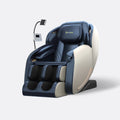
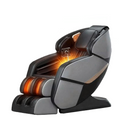
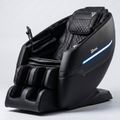
Massage Chairs
This one may be my favorite example of why having wellness equipment at home can be so valuable.
You come home after a long day and you're tired. Your neck is tight. Your back is sore.
Are you going to schedule a massage for that evening?
Probably not.
But if there's a massage chair sitting ten feet away from you?
That's a different story.
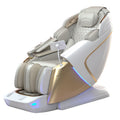
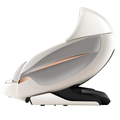
A massage chair can make it incredibly easy to incorporate massage into your normal routine. You can use shorter sessions when you need them rather than waiting until tension has built up enough that you're desperate for relief.
As with any recovery tool, comfort matters. If something hurts or doesn't feel right, stop and adjust.
You Don't Have to Do Everything
This is important.
Creating a wellness routine doesn't mean you need to wake up at 5 a.m., cold plunge, sit under red lights, spend 45 minutes in a sauna, meditate, drink a green juice, and somehow still get everyone out the door on time.
Real life doesn't usually work that way.
And wellness shouldn't become another thing you're failing to check off your list.
Maybe you absolutely love heat and your sauna becomes your evening ritual.
Maybe cold plunging makes you feel refreshed and you look forward to it in the morning.
Maybe you want something incredibly simple, so you use red light therapy while you're doing something you'd already be doing anyway.
The best wellness routine is the one that fits into your actual life.
Why Having Wellness Tools at Home Can Change Everything
This is really the reason I created RevitaSpring.
For years, so many of the wellness and recovery tools people wanted to use regularly were primarily found in spas, gyms, clinics, or wellness centers.
And those places can be wonderful.
But there’s a big difference between having access to something occasionally and having it available whenever you need it.
When the sauna is downstairs, the cold plunge is on your patio, the red light panel is in your bedroom, or the massage chair is sitting in the corner of your living room, there's far less friction between thinking:
"I should take better care of myself."
and actually doing it.
That matters.
Start With What You'll Actually Use
If you're trying to decide which wellness tool belongs in your home, don't necessarily start by asking which one is the most impressive.
Ask yourself:
Which one can I genuinely see myself using over and over again?
Think about your lifestyle.
Think about what you enjoy.
Think about the time you realistically have.
Think about where the equipment will live in your home.
And think about the routine you want to create—not just the product you want to buy.
Because you don't need a home full of wellness equipment to begin taking better care of yourself.
Sometimes you just need one thing that makes taking that time for yourself a little easier.
And when something becomes easy enough to do consistently?
That's when it stops feeling like a special occasion and starts becoming part of the way you live.
Always follow the manufacturer's instructions for your specific equipment. If you're pregnant, have a medical condition, take medications that affect temperature regulation or circulation, or have concerns about heat, cold exposure, or light therapy, talk with a qualified healthcare professional before beginning a new wellness practice.